20 Best Beard Styles for Men (2026): Full, Goatee & Stubble
Last updated: July 18, 2026
Choosing the right beard style is less about following a trend and more about matching your facial hair to your face shape, your hair growth, and how much daily maintenance you actually want to commit to. In this guide we break down the 20 best beard styles for men in 2026, from a low-effort short stubble to a statement-making Garibaldi. Nearly every other beard you see online is a variation of one of these 20 core styles.
For each style you'll find who it flatters most (round, square, oval, oblong or narrow faces), roughly how long you need to grow your hair to pull it off, and the grooming tools that make it easy to maintain. Whether you want something clean and office-friendly or a full, rugged beard, there's a look here that will work for you.
Jump to a Beard Style
- Stubble (1-5 mm): Short stubble · Medium stubble · Long stubble
- Short (6-25 mm): Full goatee · Extended goatee · Circle beard · Van Dyke · Balbo · Anchor · Imperial
- Medium (25-50 mm): Ducktail · Verdi · French fork
- Long (50 mm and up): Full beard · Garibaldi · Bandholz · Dutch · Mutton chops
- No beard: Clean shave
- Also on this page: face shape and hair type chart · how to ask your barber · tools you'll need · FAQ
Before we get into the individual styles, one thing worth saying up front: a good beard lives and dies by its edges. A precise beard trimmer is the single most important tool you can own, and a quality beard oil keeps the hair soft and itch-free as it grows in. Keep those two handy for almost every style below.
As an Amazon Associate, 10trim.com earns from qualifying purchases. If you buy through the links below, we may earn a commission at no extra cost to you.

- Skin-Friendly Blades: Rounded comfort-blade tips feel gentle on skin for a quick, comfortable trim when shaping beard or hair
- 13-in-One Versatility: Trim beard, head, nose and ear hair with 13 pieces; 9 settings from 0.5-16 mm cover clean stubble to longer styles
- Self-Sharpening Blades: Maintenance-free steel blades stay as sharp as day one and require no oiling for reliable precision
- Ergonomic Control: Easy-to-hold handle supports comfortable maneuvering so beard shaping and hair touch-ups feel controlled
- 60-Minute Runtime: Battery indicator and USB-A charging support home or travel use; rinseable blades and combs clean easily; warranty of up to 5 years¹
- The set includes: Philips Norelco All-in-One Trimmer 3000 Series, 1x comfort blades, nose and ear trimmer, 2x stubble combs (1 mm, 2 mm), 3x beard combs (3 mm, 5 mm, 7 mm), 3x hair combs (9mm, 12 mm, 16 mm),


- The Perfect Gift Wives & Girlfriends Love Giving — All-in-One Grooming For Him: One kit replaces 6 separate grooming tools — beard trimmer, hair clipper, body groomer, foil shaver, nose/ear trimmer, and precision detail head. Popular pick for Father's Day, birthdays, Christmas, and anniversary gifts. Many customers share their husbands and boyfriends light up when they open the box
- From Face to Feet, Shower Ready — Waterproof For Everyday Convenience: Whole-body grooming without leaving the bathroom. Trim your beard at the sink in the morning, use the body groomer in the shower, then rinse the whole unit clean under running water. Fully washable design means no more clogged hair in tiny corners. Great for busy mornings and travel routines
- 90 Minutes Cordless Runtime — Perfect For Business Trips & Weekend Getaways: A 1.5-hour charge delivers up to 90 minutes of trimming, enough for a whole week of daily use or an entire vacation. LED display shows remaining battery percentage, so you're never caught mid-trim with a dead device. USB-C charging works with the same cable that charges most modern phones. Note: USB cable included; wall adapter sold separately or reuse your phone charger
- Comfortable Trim Without Skin Irritation — Stainless Blades With R-Rounded Edges: Sharp stainless steel blades cut cleanly on the first pass, while the R-shaped rounded blade tips reduce risk of nicks and skin irritation around sensitive areas. Adjustable comb (from 1–4mm) and 4 guide combs (3, 6, 9, 12mm) let you choose stubble, short beard, or longer styles. Pro tip: A drop of oil on the blades before each use keeps them cutting smoothly
- What's In The Box — Ready To Gift Or Use Right Away: Full-size trimmer body + 6 interchangeable heads (beard/hair/body/foil shaver/nose & ear/design) + 5 guide combs (3/6/9/12mm & adjustable) + USB-C charging cable + display stand + cleaning brush + user manual. Two-speed motor lets you switch to lower speed for delicate areas or higher speed for thick beards. Responsive customer support: If anything goes wrong within your first months of use, contact us through your order for prompt help

- Personalized Cutting and Sculpting: The precision beard trimmer for men has an adjustable dial with 19 settings to get the exact look you want; the included comb attachment raises flattened hairs for clean cutting
- Precision 45-Degree Blade Cutting System: Ultra-sharp, hypoallergenic blades make this men's beard trimmer ideal for quick, efficient hair, beard, and mustache grooming and precision styling
- Rubberized, Ergonomic Grip for Maximum Comfort: The sleek design of this electric trimmer for men is easy to hold and gives total control for clean, detailed cutting and trimming
- Wet/Dry Facial Hair Trimmer for Men: Waterproof trimmer, 100 % washable cordless mustache trimmer for men lets you comfortably trim in or out of the shower
- Charges Fast & Travels Easily: The ER-GB42 cordless trimmer for men charges quickly with AC wall adaptor for up to 50 minutes of use and packs easy; order WER9606P replacement blade to maintain optimal trimming
- Panasonic personal care unites Japanese craftsmanship and technology—this Panasonic beard trimmer for men adjustable features precision blades inspired by ancient sword making techniques and advanced designs for a superior grooming experience
Match Your Beard to Your Face Shape and Hair Type
Two things decide whether a style will actually work on you: the shape of your face, and what your facial hair does when it grows. Use these two tables as a filter before you commit to months of growth. For a deeper walkthrough of the first one, see our guide to the best beard styles for square, oval and round faces.
| Face shape | What you're trying to do | Styles that work | Styles to skip |
|---|---|---|---|
| Round | Add length at the chin, keep the sides tight | Ducktail, Van Dyke, goatee, circle beard | Mutton chops, wide Garibaldi |
| Square | Soften a strong jaw with rounded edges | Circle beard, Garibaldi, extended goatee, Verdi | Hard-squared chin lines |
| Oblong / long | Add width at the cheeks, keep the chin short | Short full beard, mutton chops, Dutch | Ducktail, French fork, long goatee |
| Oval | Nothing — you have the most range | Almost any style on this page | — |
| Heart / triangle | Add weight along a narrow jaw | Full beard, Garibaldi, Bandholz | Chin-only goatee |
| Diamond | Fill the jaw, keep the cheeks trim | Van Dyke, Balbo, short boxed beard | Very wide, bushy beards |
Face shape narrows the field; your hair type decides whether the style will actually hold up.
| Hair type or density | What to expect | Best bets |
|---|---|---|
| Fine and straight | Reads thinner than it is once it gets long | Stubble, short boxed beard, goatee — see beard styles for white men |
| Coarse and curly | Fills in fast, but needs shaping to stay neat | Full beard, ducktail, sharp line-up — see beard styles for black men |
| Patchy cheeks | Gaps start showing past roughly 10 mm | Stubble, goatee, Van Dyke, Balbo — see non-connecting beard styles |
| Slow or young growth | Give it six weeks before you judge it | Short stubble, starter goatee |
| Gray coming through | Length makes silver read scruffy | Short boxed beard, tight goatee, heavy stubble |
Beard Styles by Length: The Four Bands
Before you pick a specific look, it helps to know which length band you're shopping in. Every style in this guide sits in one of four bands, and your band tells you how patient you need to be, how often you'll trim, and which face shapes the result will flatter.
Stubble (1-5 mm)
Stubble is the lowest-maintenance band there is and it suits nearly everyone. Light stubble is the classic two-to-three-day shadow; heavy or "designer" stubble sits around 4-5 mm and reads as deliberate rather than unshaven. Because the hair is so short, patchy growth barely shows, which makes stubble the smart first stop if your beard fills in unevenly. One trimmer, one fixed guard, every two or three days is the entire routine.
Short beards (6-20 mm)
This is the sweet spot for most men and where the most popular beard styles live. The corporate or "short boxed" beard is neatly clipped, squared at the cheeks and sharpened along the neckline, and it works in any office. The goatee, the Van Dyke and the Balbo concentrate hair on the chin and mustache while the cheeks stay clean, which slims a rounder face. Expect a weekly tidy-up and a little oil to keep the hair soft. Our catalog of short beard styles covers this band in detail.
Medium beards (20-50 mm)
Here the beard starts to have real presence. The medium full beard gives you a masculine, well-groomed look without committing to a foot of hair, while the ducktail keeps the sides shorter and lets the chin taper to a point. Medium beards benefit from a boar-bristle brush and regular oil so everything lies flat and looks healthy rather than wild. See more options in our guide to medium beard styles.
Long and statement beards (50 mm and up)
The full beard at its longest, the rounded Garibaldi and the natural, free-growing Bandholz are the endgame looks, and grown-out mutton chops belong here too. They demand months of growth without heavy trimming plus daily conditioning with oil or balm. If that's the direction you're heading, our roundup of long beard styles goes deeper on the upkeep.
Beard Styles Chart
Use this beard styles chart as a quick reference: the names of the main styles, the length band each one needs, how much upkeep it demands, and the face shapes it flatters most.
| Style | Length band | Upkeep | Best face shapes |
|---|---|---|---|
| Light / heavy stubble | 1-5 mm | Very low | All shapes |
| Corporate / short boxed | 6-20 mm | Low | Oval, square, oblong |
| Goatee | 6-25 mm | Low-medium | Round, square, heart |
| Van Dyke | 10-25 mm | Medium | Round, oval, diamond |
| Balbo | 10-25 mm | Medium | Oval, square, oblong |
| Ducktail | 20-50 mm | Medium | Round, square, oval |
| Medium / full beard | 20-50 mm | Medium-high | Oval, triangle, round |
| Garibaldi / Bandholz | 50 mm+ | High | Oval, oblong, square |
| Mutton chops | Long sides | High | Oval, square |
If you want the names of every style laid out in one place, including the mustache-only looks we don't cover in depth here, our expanded beard styles chart names 34 styles with the growth time each one needs.
20 Different Beard Styles
Short Stubble Beard
Short stubble is the easiest beard on this list and the perfect starting point for beginners. You get it simply by letting your facial hair grow for two to three days after a clean shave, so the hair sits at roughly 2-3 mm. It reads as intentional and low-maintenance rather than unshaven, which is exactly why it never goes out of style.
Short stubble suits almost every face shape, and it's especially good for softening a rounder face or adding definition to a narrow jaw. To keep it looking sharp, run a trimmer with a fixed head across your cheeks and neckline every couple of days at the same guard length. A trimmer that holds its head steady gives you an even, consistent trim without patchy spots.
Best for: every face shape, and the safest cover for patchy growth · Worst for: nobody, really — it's the default fallback · Length needed: 2-3 mm (2-3 days) · How to grow it: shave clean, wait three days, then run one guard over everything and clean the neckline.
Medium Stubble Beard
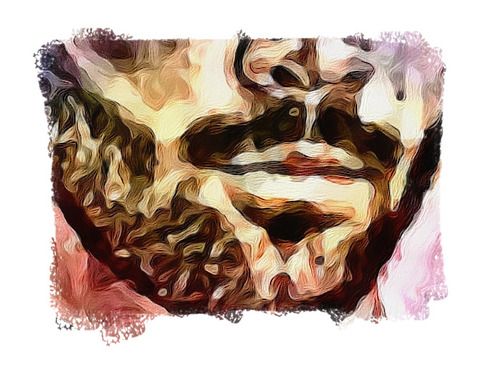
Medium stubble is a slightly longer, fuller take on the short stubble. You'll need to let the beard grow for about a week to nine days so the hair reaches roughly 3-5 mm. Anything longer and it starts to become a proper short beard.
The trick with medium stubble is keeping the upper cheeks clean so the beard still looks tidy and deliberate. This length works particularly well on oval and square faces, and it adds a bit of grit to your look while staying office-appropriate. A dependable adjustable beard trimmer with a short guard makes it easy to hold this length precisely.
Best for: oval and square faces; offices with a dress code · Worst for: very fine, light-colored hair that disappears at this length · Length needed: 3-5 mm (7-9 days) · How to grow it: grow a week, set a 3-5 mm guard, then shave the upper cheeks and neck clean.
Long Stubble Beard
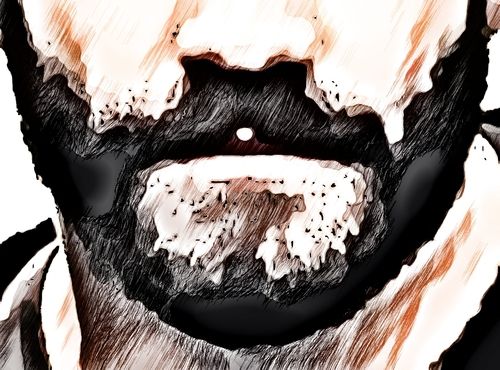
Long stubble is a little trickier to maintain than the shorter versions because at 8 mm and up the hair starts to lose its uniform, groomed appearance. To keep it looking sharp you'll want a trimmer with a wide blade and a good range of length settings so you can dial in the exact length and define a clean neckline.
Long stubble bridges the gap between stubble and a real beard, and it flatters most face shapes while adding fullness to a thinner face. It's become popular in recent years because it delivers a rugged look without the commitment of growing a full beard.
Best for: thinner faces that need visual fullness · Worst for: patchy cheeks — this is the length where gaps start to show · Length needed: 6-8 mm (about two weeks) · How to grow it: grow two weeks untouched, set a long guard, then cut a hard neckline.
Imperial Beard
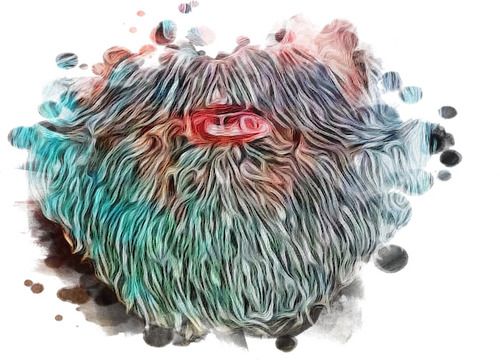
The Imperial isn't really a beard at all; it's a large, ornate mustache that became popular in France during the Second Empire, which is where it earned its name. It's a bold, old-world statement look rather than an everyday style.
Don't confuse it with the Napoleon III Imperial, though the two share a family resemblance. To wear it, keep the chin and sideburns completely bare so all the attention lands on the mustache. The ends of the mustache on each side blend into the hair on the cheeks just beside it, but keep that connecting hair short and neat, as shown above. If mustaches are your thing, take a look at our guide to the best mustache styles for men.
Best for: oval faces and men with a dense, fast-growing mustache · Worst for: anyone who needs a low-key, everyday look · Length needed: 15-25 mm of mustache (2-3 months) · How to grow it: shave the chin and sideburns bare, grow the mustache out, and train the ends upward with wax.
French Fork Beard
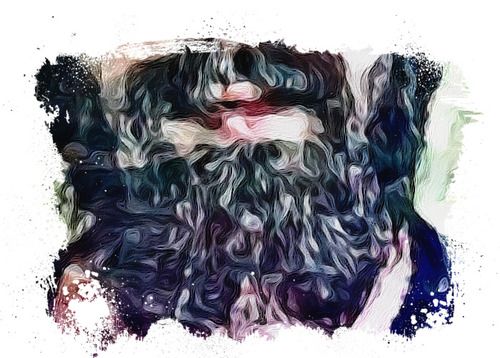
The French fork is a distinctive variation on the full beard. It's grown long like a full beard, but the facial hair extends past the chin and is split into two separate prongs, giving it that unmistakable forked shape.
Because the hair is long, conditioning is essential. Work a few drops of a quality beard oil through the beard daily to keep it soft, tame the two prongs, and stop it from getting itchy or coarse. This is a long, high-drama style that suits oval and square faces with strong, even growth.
Best for: oval and square faces with dense, even growth · Worst for: thin or slow growth, and long faces it makes longer · Length needed: 100 mm and up (six months or more) · How to grow it: grow a full beard untouched, then part the hair below the chin into two prongs and oil daily.
Ducktail Beard
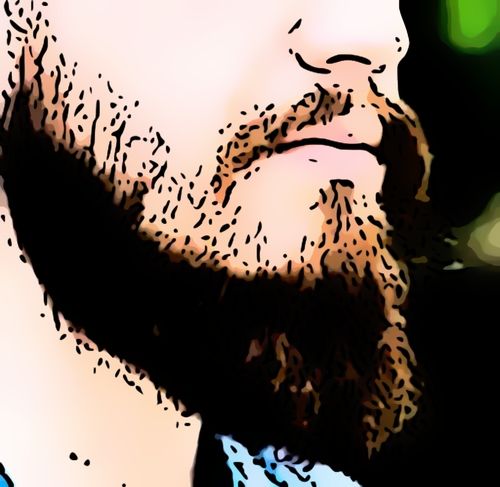
The ducktail is a medium-to-long beard that tapers to a point at the chin, striking a balance between a rugged, wild look and a well-groomed one. That mix of neat and natural is why it remains one of the most popular beard styles year after year.
To shape a ducktail, keep the sides and cheeks trimmed shorter while letting the chin grow longer, then taper it to that signature point. It's one of the best beard styles for round faces because the length at the chin visually lengthens the face. Finish with a little beard oil to keep the point smooth and the whole beard healthy.
Best for: round and square faces — the point adds length · Worst for: long or oblong faces · Length needed: 25-50 mm (2-3 months) · How to grow it: grow it out, keep the sides one guard shorter than the chin, then taper the chin to a point with scissors.
Circle Beard
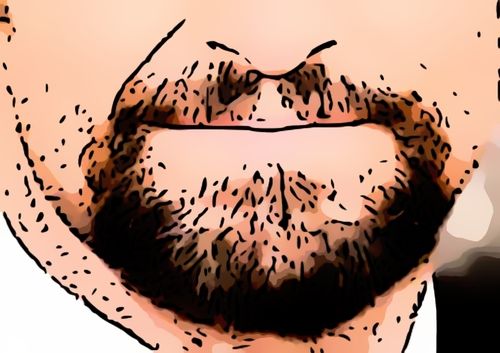
The circle beard is a rounded goatee combined with a connected mustache, forming a neat circle around the mouth, hence the name. It's clean, elegant, and one of the best beard styles for round faces and for men who keep their hair short.
Its popularity comes down to how easy it is to maintain: you simply keep the goatee and mustache trimmed into a tidy round shape and shave the cheeks clean. A precise trimmer plus a goatee shaping template makes it almost foolproof to keep the circle symmetrical week after week.
Best for: round and square faces, and short haircuts · Worst for: a patchy mustache, since the circle has to close · Length needed: 6-20 mm (3-4 weeks) · How to grow it: grow the chin and mustache until they connect, shave the cheeks, then round the outline — our goatee shaping guide covers the exact lines.
Full Goatee

The full goatee keeps hair on the chin and below the lower lip while the cheeks stay clean-shaven. The width of the goatee should roughly match the width of your mouth, with the sides running vertically down from the corners of the mustache.
To grow it, let the chin and soul-patch area fill in and shave everything else. Keep the two semi-circles on either side of the soul patch controlled rather than letting them spread out. The goatee is a classic that flatters round and oval faces by adding length to the chin. For more variations on this look, see our roundup of the best goatee styles for men.
Best for: round and oval faces, and men with a weak or narrow chin · Worst for: very wide jaws, where a chin-only shape can look pinched · Length needed: 6-25 mm (3-6 weeks) · How to grow it: let the chin and soul patch fill in, shave the rest, and keep the width inside the corners of your mouth.
Also Read: 11 Best Goatee Styles for Men
Extended Goatee
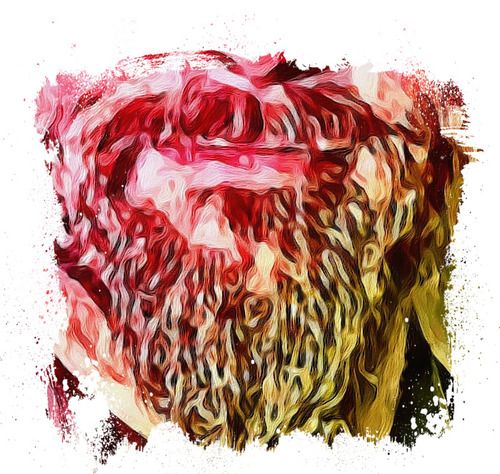
The extended goatee combines a goatee with a thick, connected mustache, and it's sometimes called the "tailback" or the "Hollywoodian." Because the beard extends along the jaw a little, it lands somewhere between a goatee and a short beard.
The easiest way to get it right is to grow a full beard first, then carve it back into shape once you have enough length to work with. It's a versatile, mature look that suits square and oblong faces. An adjustable trimmer with several length settings makes the shaping far easier, since you'll want the chin slightly longer than the sides.
Best for: square and oblong faces; a mature, professional look · Worst for: sparse growth along the jawline · Length needed: 10-25 mm (4-6 weeks) · How to grow it: grow a full beard first, then carve it back so the goatee runs a short way along the jaw with the chin left longest.
Bandholz Beard
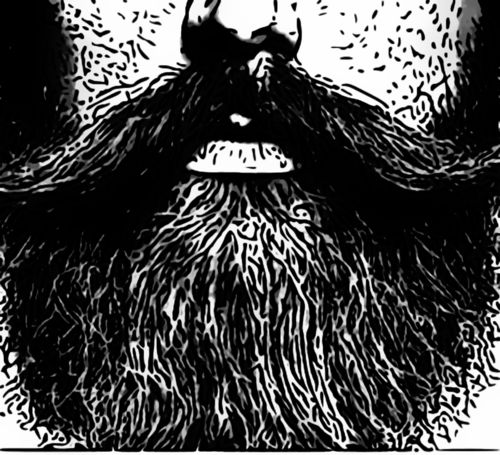
The Bandholz is a full, free-growing beard paired with a mustache. It's named after Eric Bandholz, founder of the grooming brand Beardbrand, who became known for wearing exactly this kind of untamed, natural beard.
Unlike more sculpted styles, the Bandholz is allowed to grow long without a hard stopping point; the mustache simply connects into the full beard. It demands real commitment (several months of growth) and consistent conditioning, so daily beard oil and a good beard balm are non-negotiable to keep it soft and under control. It works best on oval and rectangular faces.
Best for: oval and rectangular faces with dense, connecting growth · Worst for: patchy cheeks, and any workplace with a dress code · Length needed: 100 mm and up (6-12 months) · How to grow it: don't trim anything for the first four months; wash, oil and balm daily and only tidy the neckline.
Full Beard Style
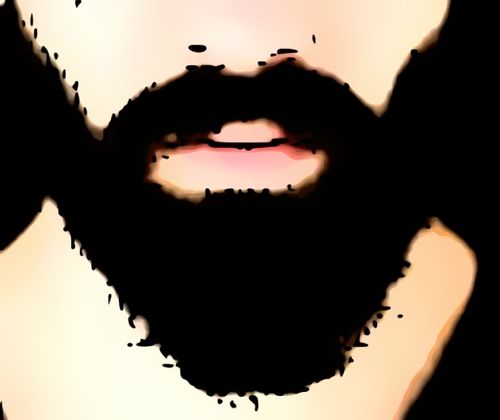
The full beard is the classic, and arguably the most masculine of all beard styles. It starts at the cheek line and everything below it is left to grow in. If your natural cheek line is high or uneven, define an imaginary line and trim to it so the beard reads clean.
Expect roughly three to four months of growth before you can properly shape it and define a neckline. A full beard adds structure to a round or oval face and looks fullest on men with dense growth. Keeping it healthy means using both a beard balm and a beard oil, since each does a different job. Read this to understand the difference.
Best for: round, oval and heart-shaped faces with dense growth · Worst for: long faces, which it makes longer, and patchy cheeks · Length needed: 20-50 mm (3-4 months) · How to grow it: grow untouched for a month, set a cheek line, trim to a single guard, then define the neckline two fingers above the Adam's apple.
Clean Shave

The clean-shaven look is timeless. There's no facial hair at all, which puts the focus on your features and reads as sharp, professional, and youthful. It's a great reset between beard styles, too.
The key to a good clean shave is prep and the right tools: soften the hair with warm water, use a quality shaving cream, and finish with a fresh razor or a close-cutting electric shaver to avoid irritation and ingrown hairs. It suits every face shape and is especially popular among men who prefer a crisp, no-fuss routine.
Best for: every face shape, formal settings, and resetting between styles · Worst for: skin prone to razor burn or ingrown hairs · Length needed: none · How to do it: soften the hair with warm water, shave with the grain using cream and a fresh blade, then finish with a soothing balm.
Van Dyke Beard
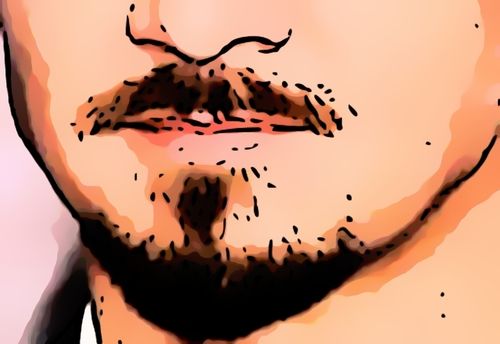
The Van Dyke takes its name from the 17th-century painter Anthony van Dyck and pairs a pointed chin beard with a disconnected mustache, leaving the cheeks completely bare. It's a stylish, artistic look that has cycled back into fashion.
A Van Dyke looks best when it's well defined, so keep the cheeks clean and the chin lines crisp as it grows. There's plenty of room to personalize it, including a longer, styled or handlebar mustache. Because it adds length at the chin, it's a strong choice for round and square faces. If you want to grow one, read our full guide: Van Dyke Beard Style: How to Grow, Groom and Care.
Best for: round, square and diamond faces; growth that doesn't connect · Worst for: a patchy mustache or a thin soul patch · Length needed: 10-25 mm (4-6 weeks) · How to grow it: grow the chin and mustache, shave the cheeks and the two gaps between them, then taper the chin to a point.
Anchor Beard
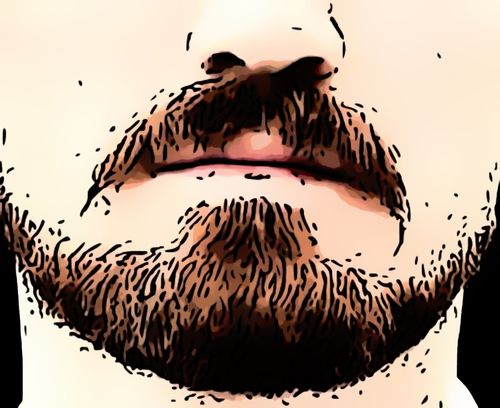
The anchor beard is a sharp, sculpted style named for its resemblance to a ship's anchor. It combines a pointed chin beard that follows the jawline with a separate pencil mustache, and it flatters men with square or oblong faces.
This is a precision style, so a good detail trimmer is essential. Start at the soul patch, leave it intact, and trim the sides. Shape the chin beard on an incline coming down from the soul patch, then run a line along the jawbone to where the mustache ends on each side, leaving a clean gap between the mustache and the jawline beard. Pair it with a thin, defined mustache to complete the anchor shape.
Best for: square and oblong faces; men who like sharp, graphic lines · Worst for: beginners — the lines are unforgiving and hard to fix · Length needed: 6-15 mm (3-5 weeks) · How to grow it: keep the soul patch, run a thin strip along the jawbone, shape the chin on an incline, and pair it with a pencil mustache.
Dutch Beard
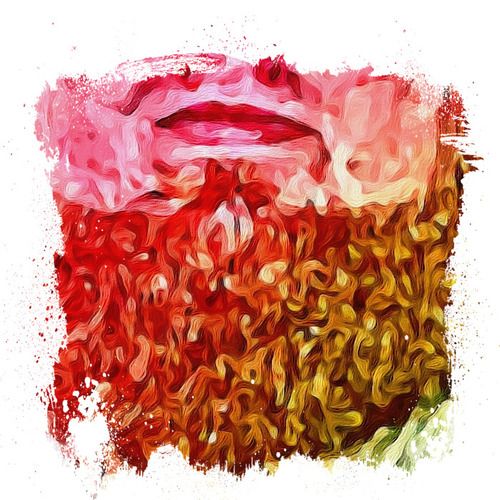
The Dutch, also called the Old Dutch, is a big, vintage, lumberjack-style beard. It's long and full, connected by the sideburns, and it flares outward toward the bottom for that rugged, frontier look.
The defining feature of a Dutch beard is that it has no mustache; the hair is grown out on the cheeks and chin only. Because of the volume and flare at the bottom, it's a flattering beard style for chubby or rounder faces, since the length draws the eye downward. Keep it conditioned so all that length stays soft and manageable.
Best for: round and fuller faces; men whose mustache won't fill in · Worst for: formal settings and sparse cheeks · Length needed: 50-100 mm (4-6 months) · How to grow it: grow the cheeks and chin freely, shave the mustache completely clean, and let the bottom flare rather than rounding it off.
Balbo Beard Style
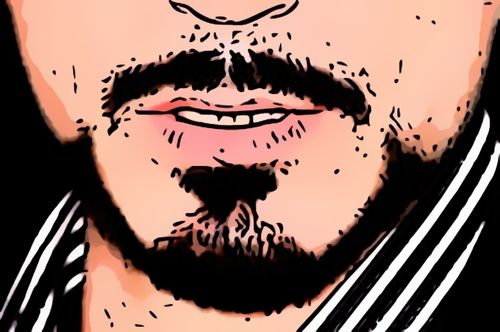
The Balbo is made up of three separate sections: a mustache that's disconnected from the rest, a patch of hair under the lower lip, and a beard along the chin and jaw. Together they resemble an inverted "T." It's the beard Robert Downey Jr. helped make famous, and it's aged extremely well.
The Balbo flatters men with narrow chins, and it's a great fallback if you can't quite pull off a Van Dyke. Because you're working clean cheeks against defined chin hair, an adjustable beard trimmer is the ideal tool: it handles the clean-shaven areas and the chin detailing with equal ease.
For a full walkthrough on growing, shaping and caring for one, read The Balbo Beard Style: How to Grow, Shave and Care.
Best for: narrow chins, oval and square faces, and beards that don't connect · Worst for: very heavy, fast-connecting growth you'd have to fight daily · Length needed: 10-25 mm (4-6 weeks) · How to grow it: grow a short full beard, then shave the cheeks and the two channels between the mustache and the chin.
Mutton Chops
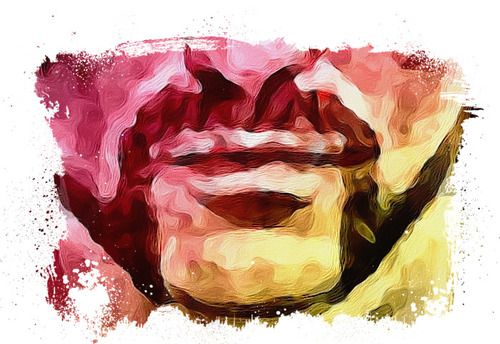
Mutton chops are essentially oversized sideburns that grow down to the corners of the mouth, a bold retro style with real personality. To grow them, let your sideburns extend freely all the way to the corners of your mouth.
From there, cut a clean line at each corner of the mouth and define the lower edge sharply along the jawline. The contrast between full chops and clean cheeks below the jaw is what makes the style work, so precision matters. Mutton chops suit longer, oval faces best. Connect them to a mustache and you have the "friendly mutton chops" variation. For more variations and grooming tips, see our guide to the best mutton chops beard styles.
Best for: long, oval faces that can carry width at the cheeks · Worst for: round faces and conservative workplaces · Length needed: 25-50 mm (2-3 months) · How to grow it: let the sideburns run down to the corners of the mouth, cut a hard line at each corner, then shave the chin completely bare.
Verdi Beard Style
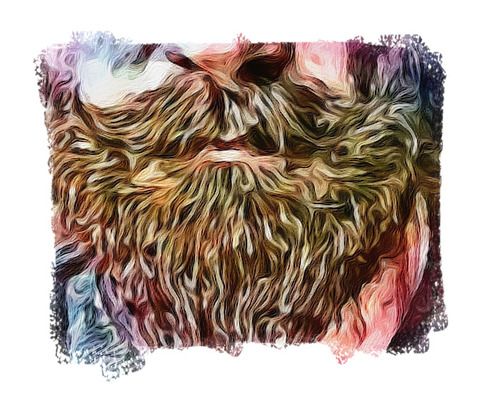
The Verdi is a short, rounded full beard paired with a styled mustache, and it's one of the iconic beards of the 19th century. The beard should be no more than about 6 cm measured from the lower lip and rounded neatly at the bottom.
What sets the Verdi apart is the mustache, which is kept separate from the beard and styled, often rolled or curled upward, extending no more than about 1.5 cm past the corners of the mouth. It needs regular grooming to hold its shape, so a good beard oil and a bit of mustache wax are essential. It's a distinguished look that suits oval and square faces.
Best for: oval and square faces; men who want length without looking unkempt · Worst for: fine, flyaway hair that won't hold the rounded shape · Length needed: 40-60 mm of beard (3-4 months) · How to grow it: grow a rounded full beard, cap it at about 6 cm, and keep the mustache separate and waxed upward.

- Hand Crafted in the USA
- Organic Virgin Argan, Golden Jojoba and 6 More Premium Hydrating Oils
- All Natural and Organic Ingredients
- Softens Beard and Conditions Skin
- The Most Trusted Brand for Beards in the World

- Be a Stunner - Great Sandalwood scent will leave you to revel in the fragrance of your beard for hours
- Goodbye, Beardruff! - Soothe your itchy and irritated skin with a just a few drops a day
- 100% Natural - A perfect blend of Argan & Jojoba strengthens facial hair & helps avoid thin patches
- Tame Stubborn Facial Hair - Have a manageable,frizz-free beard that is soft & smooth to the touch
- The Viking Promise: If for any reason, you're not completely satisfied, simply contact us and we'll take care of it.

- SheaMoisture Maracuja Oil & Shea Butter Beard Conditioning Oil is our best beard care to moisturize and soften your beard
- Keep your beard in check with our conditioning oil. Our beard care combines Maracuja oil and shea butter to leave your beard looking, feeling and smelling great
- This beard oil for men is made with Fair Trade shea butter
- After using our Beard Wash and drying beard, apply a few drops to fingertips and massage into beard from root to ends. For thick, coarse hair, apply more conditioning oil to your beard care regimen
- This beard oil is formulated with no parabens, no phthalates, no mineral oil or petrolatum
Garibaldi Beard Style
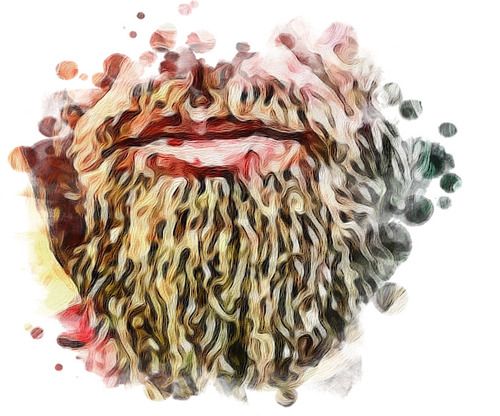
The Garibaldi is a wide, full beard with a naturally rounded bottom and an integrated mustache. It's often mistaken for a plain full beard, but it has its own rules: it should be no more than about 15 cm long, with the mustache kept neat while the beard is allowed to grow in naturally.
The whole appeal of the Garibaldi is that relaxed, natural fullness, so you don't need to keep it perfectly straight or brushed. What you do need is a quality beard oil to keep all that hair strong, soft and healthy. It's slightly shorter and rounder than a true full beard, and it flatters oval and rectangular faces.
Best for: oval, rectangular and square faces; a full look that still reads groomed · Worst for: patchy growth and long faces · Length needed: 100-150 mm (4-6 months) · How to grow it: grow freely for four months, round the bottom with scissors, keep the mustache trimmed off the lip, and oil daily.
Also Read: 5 Best Beard Styles to look Romantic and Appealing
How to Choose the Right Beard Style for Your Face
With 20 options on the table, the fastest way to narrow it down is to start with your face shape. If you have a round face, choose styles that add length at the chin, like the ducktail, goatee, circle beard, or Van Dyke. If your face is square or oblong, softer, fuller styles such as the anchor, extended goatee, or a full beard balance out strong angles. Oval faces are the most flexible and can carry almost any style on this list, while a narrow chin is well suited to the Balbo.
Whichever style you land on, the fundamentals stay the same: grow it out with patience, define clean edges with a precise beard trimmer, and keep the hair soft and healthy with beard oil and, for longer styles, a good beard balm. Nail those basics and any of these 20 beard styles will look sharp.
Every other beard you'll come across is really a variation on one of these 20 core styles, so use this list as your starting point, then tweak the length and edges to suit your own growth and taste. Browse our other grooming guides for deeper how-to walkthroughs on the specific style you choose.
Beard Styles by Age: What Suits You at 20, 40 and 60
Age changes both what grows and what flatters you, so it's worth revisiting your beard style every few years rather than wearing the same one for a decade.
- Late teens and 20s: growth is often patchy. Instead of fighting it, stubble and short beards even out thin spots and buy time for density to fill in. These are the best starter beard styles for young men; avoid long styles that expose gaps.
- 30s and 40s: this is the prime beard decade. Coverage is usually full, so almost any look on this list is on the table. A short boxed beard or a full beard both photograph well and balance a maturing face.
- 50s and beyond: as gray comes in, a well-shaped shorter beard reads sharp and distinguished, while very long styles can add years. If you want a beard style to look younger, keep the length down and the outline crisp so the silver reads as intentional rather than neglected.
Beard Trim Styles: How the Edges Change Everything
Two beards of exactly the same length can look completely different depending on how they're edged. These beard trim styles are the finishing choices that turn plain growth into a deliberate look.
- Cheek line: a natural cheek line follows your own growth and reads relaxed; a shaved, defined cheek line looks sharper and more formal. Never take it lower than a line running from the ear to the corner of the mouth.
- Neckline: the most common mistake is shaving too high. Set it about two finger-widths above the Adam's apple and curve it with the jaw, never along the jawline itself.
- Line up / edge up: squaring off the cheek line, the mustache and the sideburns with a detail trimmer is what gives short beards that crisp barbershop finish.
- Fade or taper: blending the beard into your sideburns gives a modern, seamless finish and is one of the most popular current trim styles.
- Chin shaping: rounded, squared or slightly pointed at the chin changes the entire silhouette, and it's how you tune any of these styles to your face shape.
- Connected or not: non-connecting styles like the Balbo, the Van Dyke and the anchor deliberately break the link between mustache and chin, which is a genuine option if your growth doesn't connect naturally.
For the step-by-step version with guard lengths, see our guide on how to trim a beard.
If you already have length and just want a different shape cut into it, our catalog of beard trim styles lists 14 looks with guard numbers, and the beard shaping and line-up guide shows exactly where the cheek line, neckline and lip line belong.
Beard Styles for Your Job, Your Look and Your Growth
The right style isn't only a question of geometry. Where you work, what you're copying and what your beard actually does when you stop shaving all narrow the list further.
- If you work somewhere conservative: stay in the stubble and short bands and keep the cheek line and neckline shaved. Our roundup of professional beard styles covers 12 looks that pass any dress code.
- If your beard won't connect: don't force it. The Balbo, Van Dyke, anchor and chin-only goatee are all built around a deliberate gap — see non-connecting beard styles.
- If you're copying a specific look: most "celebrity beards" are one of the 20 styles above with a particular length and edge. We break down how to get the best-known ones in celebrity beard styles and how to get them.
- If you want a beard-and-mustache combo: the circle beard, Van Dyke, Balbo and extended goatee all live here; our mustache and goatee guide covers the pairings in depth, and the best mustache styles guide handles the top half on its own.
- If you want something with a bit of romance to it: shorter, softer, rounded shapes photograph best — see our picks for romantic beard styles.
How to Ask Your Barber for a Beard Style
Barbers work in specifics, not adjectives, so "just tidy it up" gets you a different result every time. Bring a photo, then give four numbers and choices: the overall length you want (in guard number or millimeters), where the cheek line should sit (natural or shaved), where the neckline should sit (two fingers above the Adam's apple is the standard), and whether you want the sideburns faded into your hair or left blunt. Say if you want the chin left longer for a tapered shape, and say what you do not want touched. If your growth is patchy on the cheeks, mention it up front so the barber can work with your natural line instead of shaving into a gap.
A script that works for almost any style: "Take the sides down to a number two, leave the chin as it is, shave a hard cheek line, keep the neckline two fingers above my Adam's apple, and blend the sideburns into my haircut." Say it in that order — length first, then lines, then blending — because that's the order the barber will work in. And ask for slightly more length than you want on the first visit: it's easy to take more off next time and impossible to put back.
How to Maintain Any Beard Style
Whatever look you choose, the routine barely changes: trim to your chosen length on a schedule (every two to three days for stubble, weekly for short beards), touch up the neckline and cheek line between full trims, wash the beard a few times a week, and condition it daily so the hair stays soft and the skin underneath stops itching. Comb or brush longer styles to train the growth in one direction, which makes any beard look fuller and more even. Set a consistent length with an adjustable trimmer rather than eyeballing it, and step down one guard size on the sides to create the taper that separates a styled beard from a scruffy one.
What you put on the beard matters as much as how you cut it, and the products change with length: oil alone up to about a month, oil plus balm past that. Our beard care guide lays out the four-step routine and which product your beard actually needs.
Tools You'll Need for Any Beard Style
Almost every style on this page is achievable with the same short kit. A trimmer with adjustable guards sets the length and cuts the cheek line and neckline; a pair of beard scissors handles the stray long hairs a trimmer skips once you're past about 25 mm; a comb trains the growth so the trim comes out even. Everything else is optional. If you're only buying one thing, buy the trimmer — it's the tool that decides whether the edges look deliberate or accidental.
As an Amazon Associate, 10trim.com earns from qualifying purchases. If you buy through the links below, we may earn a commission at no extra cost to you.


For the medium and long styles — the ducktail, Verdi, Garibaldi, Bandholz and French fork — add a pair of beard scissors and a comb. Scissors let you round a bottom edge or taper a point in a way a guard simply can't, and they're how you tidy a long beard between full trims without losing length.

- Material & Sharpness: Our RUST PROOF Beard and Mustache Scissors for men are made-up from High Carbon Stainless Steel, which is Extra Harder & Stronger than regular steel, that keep these Beard Scissors for men STAY SHARP for more longer time.
- EXTRA LARGE FINGER HOLES: These Mustache Scissors are redesigned to more Durable & Extra-Large Finger Holes for your BETTER EASE OF USE.
- QUALITY CONTROL: We do complete quality test of our Moustache Scissors Men to ensure blades sharpness & performance, so our every customer receives a Smooth & Super Cut Hair Scissors.
- PAINT QUALITY: Good Quality Paint is used that will never Chip or peeling off from our scissors.
- EASY To CUT: We have featured our Beard Trimming Scissors with one-side MICRO-SERRATED BLADE. Even if you are beginners, MICRO-SERRATED BLADE ensures a secure hold of every hair through scissors blade while cutting and provides you a Straight clean Cut every time.
- VERSATILE USES: DEMAXA 5-Inches Grooming Scissors Men are great Hair Cutting Scissors. These Facial Hair Scissors are suitable for cutting beard, mustache, nose hair, ear hair, eyebrows or any other hair in different parts of body.
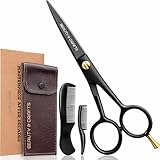
- Premium Quality: Our Beard and Mustaches Scissors are made of Premium Quality German Steel, durable and hypoallergenic. Sharp Blades of our Mustaches scissors work well with any type of facial hairs thick or thin. Its high-quality material is rustproof and can last for a lifetime.
- Elegant Design with Comfortable Grip:The Unique Design of our hair cutting scissors features an adjustable screw and sharp edge blade that insert more ease and comfort while you are cutting. With all this comfort you can cut your hair gently without any fear. It Can be used for trimming nose hairs, eyelashes and eyebrows.
- Includes 2 Combs with Carrying Pouch: This Professional Hair cutting comb comes with a beautiful pouch to carry everywhere easily it also provides safety, it is great for travel. Mustache’s comb helps to shape your mustaches as you like. With the help of this all-in-one beard grooming kit, you can give yourself a professional cut at home.
- A Perfect Gift: Beard scissor is a tool that every Beard man should have. So, this professional high-quality grooming scissor along with 2 beard and mustaches combs is a perfect gift for a bearded gentleman.
- Customer Satisfaction: We believe in the quality of our scissors for hair cutting and the satisfaction of our customers is our priority. We offer a warranty of hair-cutting scissors and mustache scissors.

- Precision German Steel: Ontaki Mustache Scissors for Men, crafted from high-carbon German steel, ensure precision and control in every beard trim and mustache grooming task. These beard trimming scissors for men enhance personal grooming with their professional quality
- Versatile Grooming Tools: These grooming scissors men appreciate are designed for all facial hair trimming needs, including mustache and beard. The sharp, corrugated edges of these beard scissors for men ensure a clean cut without tugging or discomfort
- Comprehensive Beard Kit: The Ontaki beard trimming kit features essential tools including a mustache comb and beard comb, all housed in a chic PU leather pouch. This mustache grooming kit for men provides a complete grooming solution fit for travel
- Ontaki Craftsmanship: Ontaki mustache trimming scissors showcase superior craftsmanship, combining functionality with elegance. These facial hair scissors for men are indispensable in any grooming routine, reflecting a commitment to quality and precision
- Ideal Gift Choice: This mustache kit for men serves as a thoughtful gift, blending practicality with style. The beard grooming kit for men is perfect for those valuing premium grooming tools, ensuring a sophisticated grooming experience
For a full breakdown of models by budget and beard type, see our picks for the best beard trimmers, or the best adjustable beard trimmers if you plan to switch between the styles on this page.
Beard Styles FAQ
What are the different types of beard styles?
They fall into four length bands: stubble; short beards such as the corporate short boxed beard, goatee, Van Dyke and Balbo; medium beards such as the ducktail and medium full beard; and long beards such as the full beard, Garibaldi, Bandholz and mutton chops. Within each band you personalize the look through the cheek line, neckline and taper.
What is the most popular beard style?
Short, tidy styles dominate. Stubble and the corporate short boxed beard are the most widely worn because they're easy to maintain and flatter almost every face, while the goatee and Van Dyke are the most popular chin-focused looks.
Which beard style suits my face shape?
Aim to move your face toward an oval. Round faces suit chin-length styles like goatees and ducktails; long or oblong faces want fuller cheeks and a shorter chin, so skip pointed styles; square faces are softened by a rounded beard; heart or triangle faces benefit from a fuller beard around the jaw to add weight to a narrow chin; oval faces can carry nearly anything.
How long does it take to grow a full beard?
Most men reach a respectable short-to-medium beard in four to six weeks and a genuinely full beard in three to six months, depending on genetics. Resist heavy trimming early and let it fill in before you shape it, because patchy cheeks at week two often close up by week six.
What's the easiest beard style for a beginner?
Short or heavy stubble. You set a single trimmer guard, run it over everything every two or three days and clean the neckline, so there's no shaping skill involved. From there you can grow into a short boxed beard, a goatee or a ducktail as your patience builds.
Can you wear a beard without a mustache or sideburns?
Yes. The Dutch beard is grown on the cheeks and chin with no mustache at all, and chin-only styles work fine without connected sideburns. What matters is that the break looks deliberate: keep the shaved areas genuinely clean and the edges sharp, or an intentional disconnect reads as an unfinished trim.
What are the names of the main beard styles?
The names most men are looking for are the goatee, Van Dyke, Balbo, anchor, circle beard, ducktail, French fork, Garibaldi, Verdi, Bandholz, Dutch, Imperial, mutton chops, extended goatee and the plain full beard, plus the three stubble lengths. Our beard styles chart names 34 in total, including the mustache-only styles.
What are the best beard styles for young men?
Stubble first, then a goatee or Van Dyke. Growth in your late teens and early twenties is usually thinner on the cheeks, and short lengths hide that completely while chin-focused styles put the hair where it's densest. Give any style six full weeks before deciding it doesn't work.
What's a good beard style if my hair is short?
Short hair balances well against a beard with a bit of weight at the chin: the circle beard, ducktail and short full beard all work. The one rule is contrast — if your hair is buzzed very short, keep the beard shaped and edged, or the two lengths blur into each other.
How do I choose between a full beard and a goatee?
Two questions: does your hair fill in evenly on the cheeks, and how long is your face? Even growth plus a round or square face favors the full beard. Patchy cheeks, a long face, or a workplace that wants something tidier all point to the goatee, which also takes weeks rather than months to look finished.
Which beard styles are easiest to maintain?
Stubble is the lowest effort by a distance: one guard, one pass, every two or three days. After that come the chin-focused styles — goatee, circle beard, Van Dyke — because you're maintaining a small shape and shaving the rest. Long styles like the Garibaldi and Bandholz look low-effort but need daily washing, oiling and combing.
How often should I trim my beard?
Stubble every two to three days, short beards weekly, medium beards every one to two weeks, and long beards every three to four weeks for length — but touch up the neckline and cheek line weekly regardless of style. The edges are what go scruffy first, not the length.
Explore these beard & mustache styles in depth
The twenty looks above are the starting point. Once you have an idea of what you want, dig into the dedicated guide for your style below — each one covers how to grow it, shape it, and keep it looking sharp.
Pick a look by beard length
Still deciding how far to grow? Compare short beard styles for low-maintenance stubble and boxed looks, medium beard styles for a balanced everyday length, or long beard styles if you are committing to a full, statement beard. Already have the length to work with? Our guide to beard trim styles shows the shapes you can cut into the beard you already have.
Match a beard to your face shape and hair type
The right beard flatters your face. Start with the best beard styles for square, oval, and round faces, then narrow it down by hair type with our guides to beard styles for white men by density and beard styles for black men by growth pattern. Patchy grower? Read what to grow when your beard will not connect.
Go deep on a specific beard style
Several of the classics have their own full walkthrough: the goatee, the Van Dyke, the Balbo, and the old-school mutton chops. For polished, workplace-friendly options see professional beard styles and well-groomed beard styles, or lean into a softer, romantic look. Want to copy a famous beard? We break down celebrity beard styles and how to get them.
Mustache and combo styles
A beard and a good mustache go hand in hand. Browse the full range of mustache styles, from thin, slim mustaches to rugged cowboy and Western mustaches, or pair the two with our mustache and goatee combo guide.
Handy references
Keep two tools bookmarked: our beard styles chart naming 34 styles by length and face shape, and the beard shaping and line-up guide for keeping your edges clean.
Whichever style you choose, the finish comes down to your kit. A good beard trimmer handles the length and shaping, while the right beard care products — oil, balm, and a brush — keep it soft, healthy, and itch-free.
Related Info and Products:
- Goatee Beard Styles: 12 Goatee-and-Beard Combos That Actually Work
- 11 Best Goatee Styles for Men (2026 Guide)
- Mustache and Goatee Styles: The Complete Combo Guide for Men
- Short Beard Styles: 11 Low-Maintenance Looks for Men
- What Is a Goatee? Meaning, Styles, and How to Shape One
- Long Goatee Styles: How to Grow, Shape and Wear the Look
- Beard Styles for Bald Men: 14 Looks That Balance a Shaved Head
- Beard Styles for White Men: 12 Looks by Hair Type and Density
- Black Men Beard Styles: 18 Looks by Length, Shape and Growth Pattern
- 5 Best Well-Groomed Beard Styles for Men (2026 Guide)
Last update 2026-09-10. Price and product availability may change.