11 Best Goatee Styles for Men (2026 Guide)

The goatee is one of the most versatile facial hair styles a man can wear. It works on almost every face shape, it is far easier to maintain than a full beard, and it gives you plenty of room to experiment — from a clean soul patch to a bold Van Dyke. That is exactly why it has stayed popular for centuries.
In this guide we break down the 11 best goatee styles for men, show you which face shapes each one suits, and walk you through how to grow, shape, and maintain your goatee at home. If you are still deciding on a look, our roundup of different beard styles is a good place to compare options.
What is a goatee?
A goatee is facial hair grown on the chin, usually paired with a mustache. In its classic form it sits directly below the mouth and is roughly the same width as your lips. From there the shape is up to you: it can be rounded, squared off, elongated, or drawn into sharp vertical lines.
Because the goatee comes in so many variations, there is a version for nearly every face. Some shapes flatter round faces, others balance oval, oblong, or square faces. Below are 11 styles worth trying — pick the one that fits your face and the amount of upkeep you want.
One point worth clearing up first, because it causes endless confusion: in the strictest sense a goatee is only the tuft of hair on the tip of the chin, worn with no mustache at all — named after the little beard on a billy goat. In everyday modern use the word has stretched to cover almost any chin-centered facial hair with clean or short cheeks, including the versions that connect the chin to the mustache. A dictionary and a barber will genuinely give you different answers. Throughout this guide we use the broad, practical meaning, because that is how goatee styles actually show up in real life.
11 goatee styles for men
1. Original Goatee

The original (or standard) goatee is the benchmark everything else is measured against. It runs across the chin directly below the mouth and stays roughly as wide as your lips. It is traditionally worn without a mustache, though plenty of men add one depending on what suits their face.
2. Full Goatee

The full goatee is kept dark and thick, wrapping the chin and mouth with a connected mustache that is usually trimmed into a rounded shape. It takes a little effort to grow evenly, but once it fills in it is easy to keep. A goatee shaping template makes it much easier to hold a clean, symmetrical outline — more on that below.
3. Smart Goatee
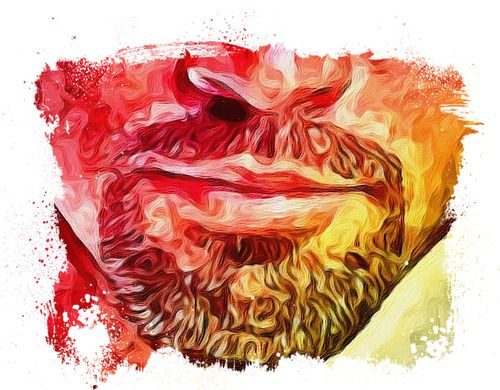
The smart goatee has the same footprint as the full goatee but is kept short and neatly trimmed. The mustache stays sleek and both sides of the soul patch are extended, giving a sharp, put-together look that works well in professional settings.
4. Landing Strip Goatee
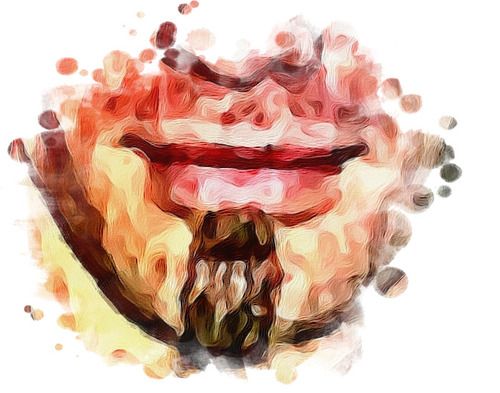
The landing strip runs as a narrow vertical band from the soul patch down to the tip of the chin. It is one of the easiest goatees to maintain and is best worn without a mustache to keep the clean, minimal line.
5. Petite Goatee

The petite goatee keeps only a small patch of hair at the very tip of the chin, with everything else shaved clean. Keep the hair short and level for the best effect. It suits most faces, but avoid it if you have a long or elongated chin, since it can exaggerate the length.
6. Extended Goatee
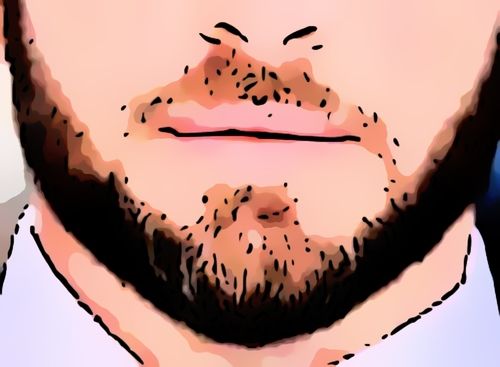
Also called the “tailback,” the extended goatee reaches beyond the chin and connects toward the sideburns. It is kept thick, and the mustache is essential — without it, the style loses its shape. This one rewards regular trimming to keep the extended lines crisp.
7. Van Dyke Goatee
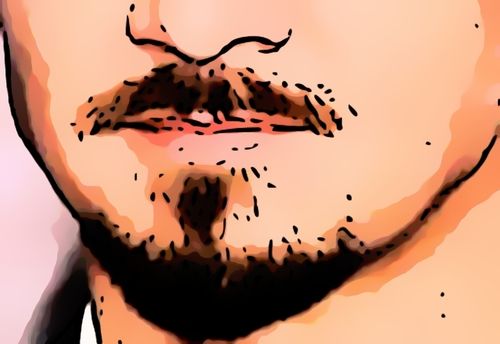
Named after the 17th-century painter Anthony van Dyck, this style pairs a disconnected chin beard — wider in the middle, tapering to the sides — with a separate mustache. The mustache can be kept simple or grown long and twisted for a more dramatic look. Learn more in our Van Dyke beard style guide.
Also read: 20 different beard styles for men
8. Anchor Goatee
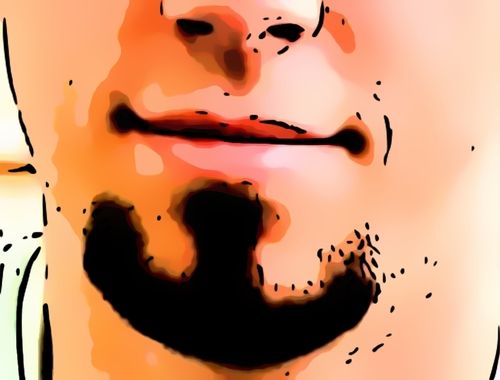
Shaped like a ship’s anchor, this style follows the jawline and points down at the chin, paired with a thin pencil mustache. It is one of the most precise goatees on this list, so it needs careful, frequent detailing to keep those sharp edges.
9. Soul Patch
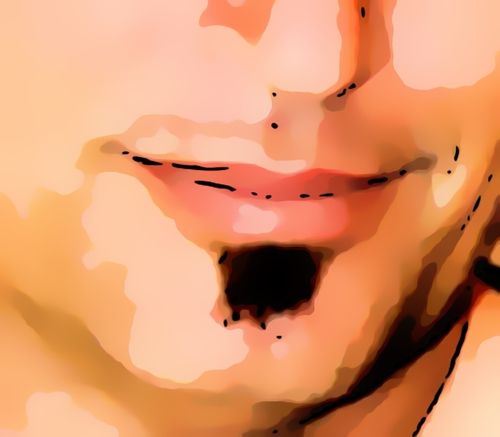
The soul patch is the smallest goatee of all: a single small patch of hair directly below the lower lip. Wear it thick or thin depending on what suits you. It is the lowest-maintenance option here and a good starting point if you are new to facial hair.
10. Imperial (Napoleon III) Goatee
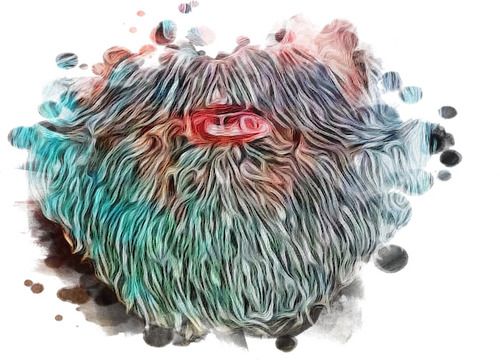
Do not confuse the imperial with the Van Dyke — both feature a long mustache, but the chin hair is different. In the Van Dyke the chin beard spreads horizontally, while in the imperial it grows vertically from the soul patch down to (or past) the tip of the chin.
11. Elongated Goatee
Not every goatee is kept short and close to the face. The elongated goatee extends away from the chin in a cone or flask shape. It looks classiest when you keep a little hair on the cheeks and trim it short to frame the longer chin piece.
More goatee variations worth knowing
The 11 styles above cover the traditional catalog, but barbers and the men sitting in their chairs use a handful of other names for goatee looks that are worth knowing before you ask for one. Most are length, density, or edging variations on the shapes you have already seen.
Circle Beard
The circle beard is what most people mean when they say “goatee” today: it is the full goatee with the chin hair and mustache joined by two vertical strips at the corners of the mouth, forming a closed ring. The cheeks stay bare. It is the single most popular variation because it frames the lips, flatters almost every face, and needs less precision than a disconnected style. If your goatee ever looks patchy or accidental, connecting it to the mustache is the fastest fix.
Goatee with Stubble
Instead of shaving the cheeks bare, you leave short stubble across them and keep the chin patch noticeably longer. The soft shadow blurs the transition, so uneven cheek growth stops being a problem, and the contrast does the shaping work for you. It is one of the easiest modern goatee looks to live with day to day.
Thin Goatee
A thin goatee keeps everything narrow: a slim strip of chin hair and a fine mustache line. It suits lighter or patchier growth because it works with less hair rather than fighting for fullness. The trade-off is precision — with so little hair there is nowhere to hide a crooked line, so plan on edging it every couple of days.
Bushy Goatee
At the opposite extreme, the bushy goatee leans into length and density: you grow the chin hair out and shape it into a rounded or squared-off block while the cheeks stay clean. It makes a statement and pairs well with a strong jaw, but it needs combing and conditioning to read as deliberate rather than wild.
Goatee with a Chin Strap
Combine a chin goatee with a thin line of hair tracing the jaw and you get a far more structured outline. It keeps the chin as the focal point while defining the jawline, which is useful if your jaw is soft. It is a precision style, so a trimmer with a fine edging blade earns its keep here.
Faded (Sculpted) Goatee
The most barbershop-forward option: the cheek line is faded down into the goatee, so the hair gets progressively shorter as it climbs toward the sideburns. It looks excellent and shows real intent, but it is the highest-maintenance style on this page — a fade grows out visibly within a week or two and is hard to touch up yourself.
Ducktail Goatee
A circle beard grown longer and stretched down and out along the jaw, tapering to a point at the bottom. It is essentially the extended goatee with more length, and it is one of the best options for adding visible length to a round face while still keeping the cheeks clean.
Wearing a goatee with a beard
A goatee does not have to sit on a bare chin. Some of the sharpest facial hair looks pair a goatee with a beard, blending the concentrated growth around the chin and mouth into the cheeks and jaw. The goatee stays the visual anchor; the beard frames it.
The easiest way to think about it is three dials you can turn independently: the cheeks (bare, stubbled, or full), the mustache (absent, separate, or connected), and the chin length (short and boxed, or long and pointed). Every combination below is just a different setting of those three.
Goatee and mustache, connected
The circle beard described above is the entry point: chin and mustache joined, cheeks bare. It reads as clean and professional and takes the least upkeep of any connected look. For the mustache half of the equation, our guide to mustache and goatee combinations goes deeper on how to shape the top line.
Connected goatee with a light beard
Let the growth spread along the jawline toward the ears while keeping the upper cheeks bare or stubbled. This widens the ring so the chin no longer looks isolated, and it is a good compromise if you cannot grow thick, even cheek hair. Keep the top border low and crisp so the shape stays deliberate rather than looking overgrown.
Long goatee and mustache
Grow the chin section out while keeping the mustache full and connected. It can taper to a point or stay blunt and boxed. This is the combination where oil and length management matter most, because longer chin hair shows split ends and strays that a short patch hides. Expect a slightly awkward grow-out phase of a few weeks.
Full beard with a goatee center
Keep real cheek coverage but taper the sides one or two guard sizes shorter than the chin and mustache. The eye is drawn to the center, so the look still reads as goatee-forward even with full cheeks. It is a flattering way to add length to a round or square face without the full lumberjack effect.
A short history of the goatee
The goatee takes its name from the tuft of hair on a goat’s chin. It became widely recognized in the 19th century and was especially popular around the American Civil War era — Abraham Lincoln famously wore variations of a chin beard throughout his presidency. Its popularity faded and returned across the decades, surged again in the 1990s, and it remains one of the most-worn facial hair styles today.
Chin beards go back much further than that, though. They appear in ancient art, and the look entered Western fashion largely through the 17th-century painter Anthony van Dyck, whose name still labels one of the variations above. In the United States the goatee had a second life in the beatnik era of the 1950s, when it became shorthand for artists, poets, and jazz musicians, before the 1990s made it near-universal. That mix of associations — intentional, a little creative, low-fuss compared with a full beard — is a big part of why it has never really gone away.
Does a goatee suit your face?
The right goatee depends mostly on your face shape and chin. Rounder faces and weaker chins benefit from styles that add length and definition, like the extended or elongated goatee, while square and oval faces can carry almost any variation. Hair color and skin tone matter too: the more contrast between your facial hair and skin, the more the style will stand out. When in doubt, start simple with an original goatee or soul patch and build from there.
Goatee styles by face shape
- Round face: go longer and narrower. An extended, ducktail, or pointed Van Dyke adds vertical length and sharpens a soft chin.
- Square face: keep the chin rounded and fairly compact. A circle beard or a light extended goatee softens strong angles without hiding the jaw you already have.
- Oval face: the most flexible shape. Almost any variation works, so choose by lifestyle and how much upkeep you are willing to do.
- Long or oblong face: keep it wider and shorter. A bushy goatee or a fuller circle beard adds width instead of stretching the face further.
- Heart-shaped face: a fuller chin section adds welcome weight to a narrow jaw and balances a broader forehead.
How to grow and groom a goatee
A well-groomed goatee takes a little patience and the right tools. Here is the process step by step.
Step 1: Grow it out first
Before you shape anything, let your facial hair grow for about a week so you have enough length to work with. A fuller starting point makes it far easier to see the natural lines and trim to your chosen style.
Step 2: Outline and shape
Once you have growth, trim a clean outline with a beard trimmer, then shave everything outside that outline. A sharp razor cleans up the cheeks and neck, while a good trimmer handles the detailing. If you are shopping for one, see our guide to the best beard trimmers, or start with a current top-rated pick below.
As an Amazon Associate, 10trim.com earns from qualifying purchases. If you buy through the links below, we may earn a commission at no extra cost to you.

- Skin-Friendly Blades: Rounded comfort-blade tips feel gentle on skin for a quick, comfortable trim when shaping beard or hair
- 13-in-One Versatility: Trim beard, head, nose and ear hair with 13 pieces; 9 settings from 0.5-16 mm cover clean stubble to longer styles
- Self-Sharpening Blades: Maintenance-free steel blades stay as sharp as day one and require no oiling for reliable precision
- Ergonomic Control: Easy-to-hold handle supports comfortable maneuvering so beard shaping and hair touch-ups feel controlled
- 60-Minute Runtime: Battery indicator and USB-A charging support home or travel use; rinseable blades and combs clean easily; warranty of up to 5 years¹
- The set includes: Philips Norelco All-in-One Trimmer 3000 Series, 1x comfort blades, nose and ear trimmer, 2x stubble combs (1 mm, 2 mm), 3x beard combs (3 mm, 5 mm, 7 mm), 3x hair combs (9mm, 12 mm, 16 mm),


- The Perfect Gift Wives & Girlfriends Love Giving — All-in-One Grooming For Him: One kit replaces 6 separate grooming tools — beard trimmer, hair clipper, body groomer, foil shaver, nose/ear trimmer, and precision detail head. Popular pick for Father's Day, birthdays, Christmas, and anniversary gifts. Many customers share their husbands and boyfriends light up when they open the box
- From Face to Feet, Shower Ready — Waterproof For Everyday Convenience: Whole-body grooming without leaving the bathroom. Trim your beard at the sink in the morning, use the body groomer in the shower, then rinse the whole unit clean under running water. Fully washable design means no more clogged hair in tiny corners. Great for busy mornings and travel routines
- 90 Minutes Cordless Runtime — Perfect For Business Trips & Weekend Getaways: A 1.5-hour charge delivers up to 90 minutes of trimming, enough for a whole week of daily use or an entire vacation. LED display shows remaining battery percentage, so you're never caught mid-trim with a dead device. USB-C charging works with the same cable that charges most modern phones. Note: USB cable included; wall adapter sold separately or reuse your phone charger
- Comfortable Trim Without Skin Irritation — Stainless Blades With R-Rounded Edges: Sharp stainless steel blades cut cleanly on the first pass, while the R-shaped rounded blade tips reduce risk of nicks and skin irritation around sensitive areas. Adjustable comb (from 1–4mm) and 4 guide combs (3, 6, 9, 12mm) let you choose stubble, short beard, or longer styles. Pro tip: A drop of oil on the blades before each use keeps them cutting smoothly
- What's In The Box — Ready To Gift Or Use Right Away: Full-size trimmer body + 6 interchangeable heads (beard/hair/body/foil shaver/nose & ear/design) + 5 guide combs (3/6/9/12mm & adjustable) + USB-C charging cable + display stand + cleaning brush + user manual. Two-speed motor lets you switch to lower speed for delicate areas or higher speed for thick beards. Responsive customer support: If anything goes wrong within your first months of use, contact us through your order for prompt help

- Personalized Cutting and Sculpting: The precision beard trimmer for men has an adjustable dial with 19 settings to get the exact look you want; the included comb attachment raises flattened hairs for clean cutting
- Precision 45-Degree Blade Cutting System: Ultra-sharp, hypoallergenic blades make this men's beard trimmer ideal for quick, efficient hair, beard, and mustache grooming and precision styling
- Rubberized, Ergonomic Grip for Maximum Comfort: The sleek design of this electric trimmer for men is easy to hold and gives total control for clean, detailed cutting and trimming
- Wet/Dry Facial Hair Trimmer for Men: Waterproof trimmer, 100 % washable cordless mustache trimmer for men lets you comfortably trim in or out of the shower
- Charges Fast & Travels Easily: The ER-GB42 cordless trimmer for men charges quickly with AC wall adaptor for up to 50 minutes of use and packs easy; order WER9606P replacement blade to maintain optimal trimming
- Panasonic personal care unites Japanese craftsmanship and technology—this Panasonic beard trimmer for men adjustable features precision blades inspired by ancient sword making techniques and advanced designs for a superior grooming experience
If you struggle to keep both sides even, a goatee shaping template is worth the few dollars — it acts as a stencil so you shave a symmetrical line every time:

- Shape Perfect Goatees Effortlessly: Professional beard shaping template with precision guides delivers clean, symmetrical edges every time. Adjustable design fits all face sizes. Achieve barbershop-quality results at home without the guesswork or frustration.
- Save Time Every Morning: Cut your grooming routine in half. Our goatee guide eliminates trial and error, giving you consistent professional results in minutes. Spend less time shaving, more time looking sharp.
- No More Crooked Goatees: Stop struggling with uneven edges and asymmetrical lines. Our template ensures both sides match perfectly, giving you confidence in your appearance. Professional-looking goatee, every single shave.
- Works for Most Goatee Styles & Face Sizes: Adjustable design accommodates classic goatees, circle beards, and partial beard styles on most facial structures. Includes spare center barrier for long-term use. Unsure if it will fit your specific goatee? Text a photo to 501-626-6018 - we respond personally within minutes to help ensure the perfect fit.
- Simple Flexible Design: Bite down on mouthpiece for hands-free use, or fold it down and hold template with your non-dominant hand. Center barrier prevents hair from poking through during trimming, eliminating accidental notches under the chin. Works with any razor or trimmer (not included).
Step 3: Keep it trimmed and clean
A goatee looks its best against a clean-shaven face, so trim and edge it regularly. Wash it with a beard shampoo, and condition longer styles to keep the hair soft and manageable — a few drops of beard oil also helps tame stray hairs and reduce itch as it grows.
Step 4: Set the width, cheek line, and neckline
Three borders decide whether a goatee looks intentional. For width, the outer edges of a full goatee should roughly line up with the corners of your mouth, widening slightly as they drop toward the chin — wider than that and the shape blurs into the jaw. For the cheek line, if you are keeping any cheek hair, run it from the sideburn down toward the corner of the mouth and set it a touch lower than you think, then let the hair grow up to it. For the neckline, find the point about two finger-widths above your Adam’s apple and clear everything below it in a slightly curved line. A neckline set too high is the most common goatee mistake there is.
Once those borders are set, re-edge them every two to three days and redo the full outline once a week rather than only spot-fixing, so small asymmetries do not compound. Our step-by-step goatee shaping guide walks through the outlining with templates and symmetry tricks in more detail.
Goatee trimming tips
- Comb the hair before trimming so curled hairs lie flat and you cut them evenly.
- Watch the width — a quick way to check is to smile, which shows the natural edges of your mouth.
- Check both sides in the mirror often to keep them symmetrical.
- Use an electric trimmer for the bulk and a precision head for detailing.
- Clean up stray hairs around the goatee carefully — the edges are what make it look sharp.
Goatee questions men actually ask
What is the most popular goatee style?
The connected full goatee — the circle beard — by a wide margin. It flatters most face shapes, hides uneven growth better than a disconnected style, and needs less precision work than a Van Dyke or an anchor.
Does a goatee have to have a mustache?
No. A classic goatee has none at all, a circle beard connects one to the chin hair, and a Van Dyke keeps the mustache but leaves it disconnected. Whether you connect them is a style choice, not a rule — though a mustache does make thin chin growth look more deliberate.
What is the difference between a goatee and a Van Dyke?
A Van Dyke is a type of goatee in which the chin hair and mustache stay separate, with clean skin between them. A standard full goatee joins the two into a continuous ring around the mouth.
How long does it take to grow a goatee?
Most men have enough hair to shape one after two to four weeks of growth, depending on density and speed. Shape too early and you run out of hair to correct mistakes with. Bushy and long variations simply need more weeks to reach the length you want.
Do goatees work if your facial hair is patchy?
Usually yes, and often better than a full beard. Because the cheeks stay bare or short, a goatee sidesteps the area where patchiness shows most. Keep the style on the shorter side to make thin spots less obvious, and give it a few extra weeks before judging — gaps often fill in with length.
Is a goatee good for a round face?
It is one of the best options. Choose a longer, narrower shape — an extended, ducktail, or pointed Van Dyke — so it adds vertical length and gives a soft jaw some structure. Avoid wide, short shapes that emphasize width.
How often should you trim a goatee?
Touch up the edges every two to three days and do a full reshape weekly. Very tight styles like the thin goatee or the anchor may need daily edging; a stubble-cheeked goatee is far more forgiving.
Final thoughts
The 11 styles above cover the main goatee looks — most other variations are just tweaks on these. Pick the one that matches your face shape and the upkeep you are willing to put in, grab a decent trimmer, and give it a couple of weeks to settle. Once you find your shape, a goatee is one of the easiest and most rewarding facial hair styles to keep.
Related Info and Products:
- Mustache and Goatee Styles: The Complete Combo Guide for Men
- 20 Best Beard Styles for Men (2026): Full, Goatee & Stubble
- Goatee Beard Styles: 12 Goatee-and-Beard Combos That Actually Work
- What Is a Goatee? Meaning, Styles, and How to Shape One
- Long Goatee Styles: How to Grow, Shape and Wear the Look
- 5 Best Well-Groomed Beard Styles for Men (2026 Guide)
- How to Shape a Goatee: Step-by-Step Guide (2026)
- Beard Styles for White Men: 12 Looks by Hair Type and Density
- Short Beard Styles: 11 Low-Maintenance Looks for Men
- Black Men Beard Styles: 18 Looks by Length, Shape and Growth Pattern
Last update 2026-09-10. Price and product availability may change.