Men's Haircuts & Fades: The Complete Guide
By the 10Trim Editorial Team · Last updated February 2025
Walk into any barbershop and the menu is invisible. Nobody hands you a list of haircuts, so you either point at a photo or hope the words "just a fade" mean the same thing to the barber that they do in your head. They usually don't. "Fade" alone describes a technique, not a haircut, and the difference between a low fade and a skin fade is the difference between a subtle, conservative look and a bald-to-hair gradient that shows scalp.
This page is the map to everything we've written about men's haircuts and fades. It explains how the pieces fit together so you can find the exact guide you need, ask your barber for the right thing, and keep the cut sharp between visits, whether you sit in a chair every two weeks or run the clippers yourself at the bathroom mirror.
Fades, tapers, and regular cuts: the difference in one minute
Three words get thrown around interchangeably, so start here:
- A fade is a gradient. The hair shrinks from longer on top down to nothing (or nearly nothing) at the hairline, blended so smoothly you can't see where one clipper guard ends and the next begins. Fades are named by where the shortest point sits: low, mid, or high.
- A taper is a gentler, shorter version of the same idea, usually confined to the sideburns and neckline. Every fade is technically a taper, but not every taper is a fade. A taper leaves more length and reads as more traditional and office-safe.
- A regular cut (scissor cut, crew cut, side part) keeps a more even length around the sides without the dramatic blend to skin. It grows out more gracefully and needs the chair less often.
Once that clicks, the rest of the vocabulary falls into place. Below, the silo is organized into four buckets: fade haircuts, popular men's haircuts, cutting your own hair at home, and barber terminology. There's a tools section near the end for anyone going the DIY route.
Fade haircuts
The fade is the defining men's haircut of the last decade, and almost every modern style is really "a [something] on top with a fade on the sides." If you only read one guide, make it the pillar below, which explains every fade type, how they're built, and exactly how to ask for each one.
- Fade Haircut Types: Every Fade Explained — the master guide. Start here if you're not sure which fade you want.
By fade height. The single biggest decision is how high the fade starts. Lower is more conservative and grows out cleanly; higher is bolder and shows more contrast.
- Low Fade — starts just above the ear, subtle and professional.
- Mid Fade — the crowd-pleaser, balanced between length and contrast.
- High Fade — starts high on the sides for maximum contrast and a sharp, modern edge.
- Skin Fade (bald fade) — blends all the way down to bare skin; the cleanest, highest-maintenance option.
By shape and placement. Some fades change where the blend travels rather than how high it starts.
- Drop Fade — arcs down behind the ear for a rounded, head-hugging finish.
- Burst Fade — fans out around the ear, popular with mohawks and mullets.
- Temp Fade (temple fade / brooklyn fade) — a crisp line carved at the temples, big on curly and coily hair.
Tapers and length-specific fades. If you want the blended look without going to skin, these are the softer siblings.
- Taper Fade — the versatile middle ground between a taper and a full fade.
- Low Taper Fade — the most requested cut of the moment; clean but understated.
- Short Fade — pairs a fade with a buzzed or cropped top for near-zero upkeep.
- Mid Fade for Curly Hair — how to fade curls and coils without losing definition or shrinkage.
Popular men's haircuts
Not every cut is a fade. Plenty of the best-looking, lowest-maintenance styles keep more length on the sides and rely on shape rather than a gradient. These guides cover what's actually being asked for in the chair right now, who each style suits, and how to describe it.
- Men's Haircuts: The Popular Styles Worth Asking For — the broad overview of current cuts and who they flatter.
- The Best Men's Haircuts to Ask For — our ranked shortlist, matched to face shape and hair type.
- Men's Short Haircuts — buzz cuts, crew cuts, French crops and other low-effort classics.
- Medium Length Men's Haircuts — flow, textured crops and quiffs for those growing it out.
- Fade Haircuts for Boys — kid-friendly fades and how to ask for a low-fuss version.
The right cut for you depends on three things more than trend: your face shape, your hair type and density, and how much time you're willing to spend styling it each morning. Each guide above flags those trade-offs so you're not chasing a look that fights your hairline.
Cutting your own hair at home
Home haircuts stopped being a last resort somewhere around 2020, and a decent clipper kit pays for itself in a couple of visits. The catch is that a home cut lives and dies by two things: understanding guard sizes and knowing the order of operations. Rush the blend or grab the wrong guard and you'll spend the next three weeks wearing a hat.
- How to Cut Your Own Hair at Home — the full step-by-step, from sectioning the top to blending the sides and cleaning up your own neckline.
- Hair Clipper Guard Sizes: The Complete Chart — what each number means in inches and millimeters, brand by brand. This is the single most useful reference for anyone holding clippers.
The general rule: longer guard numbers up top, shorter numbers as you move down the sides, and always work from a longer guard to a shorter one so mistakes stay fixable. If you want the barbershop gradient at home, a fade is genuinely doable solo once you're comfortable with guard progression, and the fade guides above double as DIY blueprints.
Barber terminology: how to ask for what you want
Half of a good haircut is communication. Barbers hear "short on the sides, longer on top" fifty times a day and it means fifty different things. Here's the shorthand that gets you a predictable result:
- Name the fade height, not just "a fade." Say low, mid, or high, and say whether you want it taken to the skin or left with a little length (a taper).
- Give a guard number for the top if you have one. "Leave the top around two inches" or "a #4 on top, scissors over comb to shape" removes the guesswork.
- Point to the shortest and longest points. Touch your temple and your crown and describe what you want at each. Barbers think in gradients, so anchor points help.
- Describe the neckline and sideburns. Blocked (square), rounded, or tapered (natural) at the back; sideburns squared off or blended.
- Bring a photo, but a realistic one. A reference on your own hair type beats a model with a completely different texture.
Every style guide in this silo includes a "how to ask for it" section with the exact phrasing, because the fastest way to a bad cut is a vague request confidently delivered.
Tools you need for a home haircut
You don't need much to cut hair at home, but the two things that matter are a clipper with a reliable motor and a full set of guards. Everything else is comfort. If you're outfitting a home setup from scratch, our buying guides break down what's worth spending on and what isn't.
- Best Hair Clippers — our tested picks across every budget, with notes on which suit home use versus barbershop duty.
- Best Grooming & Haircut Kits — all-in-one clipper and trimmer sets that cover cuts, edges, and beard work in one box.
As an Amazon Associate, 10Trim earns from qualifying purchases. This does not change what we recommend or what you pay.
If you just want a solid, no-fuss starting point, a mid-range corded or cordless clipper with a full guard set handles fades and everyday trims without complaint:


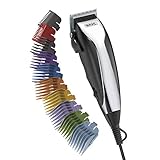

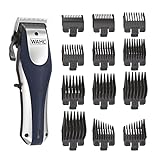

For a first home cut, prioritize a full range of guards over gimmicks. A clipper that ships with #1 through #8 (and a couple of half-sizes) lets you blend properly; one with three guards will fight you every time.
How often should you get a men's haircut?
It depends entirely on the cut. A skin fade looks crisp for about a week and needs a touch-up every two weeks to stay sharp, because the shortest point grows out fastest and the contrast blurs. A low taper or scissor cut can go three to five weeks and still look intentional. Longer, textured styles buy you the most time; the more precise the blend, the more often you'll be back in the chair.
What's the most low-maintenance men's haircut?
A short crop with a low taper, or a longer-guard buzz cut, is about as easy as it gets. There's no styling product required, no daily effort, and the grow-out is graceful because there's no dramatic skin-to-hair line to blur. Skin fades sit at the opposite end: they look fantastic fresh and demand the most upkeep. Match the cut to how much morning time you'll actually spend.
Can you cut a fade yourself at home?
Yes, and it's more achievable than most people assume, but it's the hardest cut to do solo because blending the back of your own head is awkward. Start with a low or mid fade rather than a skin fade, work slowly from a longer guard down to a shorter one, and use two mirrors. Master guard progression first; our guard size chart and home haircut guide walk through the sequence step by step.
However you wear it, the goal is the same: a cut that suits your face and hair, described clearly enough to get right in the chair or steady enough to do yourself. Pick your style from the guides above, learn the words for it, and keep the tools handy for the weeks between visits.
Related Info and Products:
- Best Cordless Hair Clippers of 2026: Tested Picks for Freedom and Fades
- Low Fade Haircut: The Complete Style Guide for Men
- Burst Fade Haircut: The Complete Style Guide for Men
- High Fade Haircut: The Complete Style Guide for Men
- Low Taper Fade Haircut: The Complete Style Guide for Men
- Temp Fade Haircut: The Complete Style Guide for Men
- Mid Fade Haircut: The Complete Style Guide for Men
- Panasonic Shavers, Trimmers & Clippers: Complete Brand Guide
- Wahl: The Complete Brand Guide to Every Product Line
- Mustache and Goatee Styles: The Complete Combo Guide for Men
Last update 2026-09-10. Price and product availability may change.
In this section
- Burst Fade Haircut: The Complete Style Guide for Men
- Drop Fade Haircut: Every Variation and How to Ask for One
- Fade Boys Haircut: Types, Styling, and What to Ask For
- Fade Haircut for Black Men: Best Styles and How to Ask
- Fade Haircut Types: Every Fade Explained and How to Ask
- High Fade Haircut: The Complete Style Guide for Men
- Low Fade Haircut: The Complete Style Guide for Men
- Low Taper Fade Haircut: The Complete Style Guide for Men
- Medium Length Men's Haircuts: Styles, How to Ask for Them, and How to Style
- Men's Curly Haircuts: The Best Styles for Every Curl Type and Length
- Men's Haircuts 2025: The Popular Styles Worth Asking For
- Men's Short Haircuts: The Best Styles, Who They Suit, and How to Ask
- Mid Fade Curly Hair: Best Styles, How to Ask, and Upkeep
- Mid Fade Haircut: The Complete Style Guide for Men
- Mullet Fade Haircut: Modern Variations and How to Ask
- Popular Men's Haircuts: The Most-Requested Styles by Hair Type
- Short Fade Haircut: Styles, Variations & How to Get One
- Short Simple Men's Haircuts: Low-Maintenance Styles That Always Look Sharp
- Skin Fade Haircut: Low, Mid and High Variations Explained
- Taper Fade Haircut: Styles, Variations & How to Get It
- Temp Fade Haircut: The Complete Style Guide for Men
- The Best Men's Haircuts to Ask For Right Now (2026 Ranked List)