Taper vs Fade Haircut: What's the Difference and Which Suits You?
Walk into any barbershop and you'll hear "taper" and "fade" tossed around like they mean the same thing. They don't. Both describe how the hair on your sides and back gets shorter as it goes down, but the amount it shortens and how far it drops are what separate a clean, conservative taper from a bold, high-contrast fade. Get the words mixed up and you can walk out with a much shorter cut than you pictured. This guide breaks down the taper vs fade haircut debate the simple way, so you know exactly what you're asking for.
Taper vs Fade Haircut: The Core Difference
The quickest way to understand the fade haircut vs taper distinction is to look at two things: how short the hair gets at the bottom and whether skin shows through.
- A taper gradually shortens the hair around the edges — the sideburns, around the ears, and along the neckline — but it keeps some length all the way down. The hair blends from longer to shorter, and it stops before it ever hits the skin. You still have hair at the bottom; it's just neat and close.
- A fade takes that same gradient much further down and much shorter, often blending all the way to bare skin. The contrast between the longer hair on top and the near-nothing at the bottom is dramatic. A fade usually climbs higher up the sides of the head than a taper does.
Put simply: every fade is a kind of taper, but not every taper is a fade. A taper is the gentle, grown-up version. A fade is the high-contrast, statement version. That's the whole haircut fade vs taper argument in one sentence.
What Is a Taper Haircut?
A classic taper — sometimes called a "taper cut" or "tapered sides" — keeps the transition subtle and confined mostly to the perimeter. The barber uses clipper guards and scissors to shorten the hair progressively toward the ears and neck without ever exposing scalp. Because the change is gradual and the length is preserved, a taper looks tidy in almost any setting and grows out gracefully. It's the reason tapers are a favorite for offices, weddings, and anyone who doesn't want to be back in the chair every ten days.
A taper fade is the popular hybrid: a taper shape where the very edges do blend down to skin. It reads cleaner and softer than a full fade but still has that crisp finish around the ears and neckline. If you like the idea of a fade but want it dialed back, a taper fade is usually the sweet spot — we cover it in depth in our taper fade haircut guide, and the lowest-key version of it in the low taper fade guide.
What Is a Fade Haircut?
A fade is defined by that seamless blend from longer hair down to skin (or very close to it) on the sides and back. Because it goes so short, it creates strong contrast with whatever length you leave on top, which is why fades pair so well with pompadours, textured crops, and comb-overs. Fades are also named by where the blend starts on the head:
- Low fade — the blend begins just above the ear and around the neckline. Subtle, easy to pull off.
- Mid fade — the blend starts around the temples for a balanced, all-purpose look. See our mid fade guide for variations.
- High fade — the blend climbs high up the sides for maximum contrast and a bold, modern edge.
- Skin (bald) fade — blended all the way to shaved skin at the bottom.
If you want the full menu of fade types — drop, burst, taper and more — our men's fade haircut guide lays them all out.
Taper vs Fade: Side-by-Side
| Taper | Fade | |
|---|---|---|
| Shortest point | Short but keeps hair (no skin) | Very short, often down to skin |
| Contrast with top | Low, subtle | High, dramatic |
| How high it goes | Mostly the perimeter (ears, neck) | Can climb the whole side of the head |
| Overall vibe | Clean, conservative, timeless | Bold, modern, sharp |
| Grow-out | Grows out gracefully | Skin fades blur fast |
| Upkeep | Every 3–5 weeks | Every 1–2 weeks to stay crisp |
Which One Should You Choose?
Neither is objectively better — it comes down to the look you want and how often you'll maintain it.
Choose a taper if…
- You want something clean and professional that won't raise eyebrows at work.
- You'd rather stretch six weeks between cuts than visit every couple of weeks.
- You like a softer, more classic finish and don't want exposed scalp.
Choose a fade if…
- You want a sharp, modern look with real contrast up top.
- You're happy booking (or doing) a touch-up every week or two.
- Your top style — pompadour, crop, comb-over — benefits from tight, short sides.
Face shape matters too. High fades add height and can flatter rounder faces, while a lower taper keeps things balanced on longer or narrower faces. When in doubt, a taper fade or low fade is the safest middle ground — contrast without commitment.
How to Ask Your Barber (So You Actually Get What You Want)
Because the words get blurred, be specific rather than just saying "fade" or "taper":
- For a taper: "I'd like a taper on the sides and back — keep some length, blend it down neat around my ears and neckline, but no skin."
- For a fade: "I'd like a [low / mid / high] fade blending down to [a short guard / skin], with about [X] left on top."
- Bring a photo. It settles any fade vs taper confusion instantly.
- Name where you want the blend to start (ear level, temple, higher) — that single detail decides low vs mid vs high.
Keeping a Taper or Fade Sharp at Home
Both cuts live and die by their edges, and a lot of guys stretch the time between barber visits by cleaning up their own neckline and sideburns. A decent clipper with a set of guards makes that easy — you're not recreating the fade, just tidying the perimeter so it doesn't look shaggy after week two. A taper is more forgiving to touch up at home; a true skin fade is best left to the pros or a confident hand.
As an Amazon Associate, 10Trim earns from qualifying purchases.
If you want to maintain your cut (or attempt one yourself), a solid set of clippers is the tool that matters most:


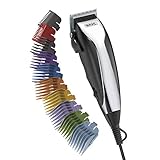


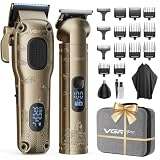

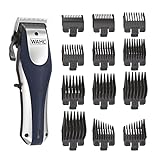

For our tested picks and buying advice, see the best hair clippers of 2026.
Frequently Asked Questions
What is a taper vs fade haircut, in one line?
A taper shortens the hair gradually but keeps some length down the sides; a fade blends that gradient much shorter, usually all the way to skin, for a high-contrast look.
Is a taper fade the same as a fade?
Not quite. A taper fade is a softer hybrid — it has the neat, tapered shape of a taper but blends the very edges down to skin. It's less extreme than a full high or skin fade.
Which lasts longer between haircuts, a taper or a fade?
A taper. Because it keeps length and has lower contrast, it grows out gracefully and can go 3–5 weeks. Fades — especially skin fades — blur quickly and often need a touch-up every 1–2 weeks.
Is a taper more professional than a fade?
Generally, yes. Tapers read cleaner and more conservative, which suits formal or corporate settings. A low fade or taper fade also works well if you want a touch more edge without going bold.
Can I do a taper or fade on myself?
Cleaning up a taper's neckline and sideburns at home is realistic with clippers and guards. Blending a true fade — especially a skin fade — takes practice and good tools; most people leave that to a barber.
The Bottom Line
The taper vs fade haircut choice really comes down to contrast and upkeep. A taper is the low-contrast, low-maintenance classic; a fade is the high-contrast, higher-maintenance statement. Know how short you want it, how high the blend should climb, and how often you'll maintain it — then walk in with the right words (and a photo) and you'll get exactly the cut you pictured.
Related Info and Products:
- Low Taper Fade Haircut: The Complete Style Guide for Men
- Taper Fade Haircut: Styles, Variations & How to Get It
- Fade Haircut Types: Every Fade Explained and How to Ask
- Fade Boys Haircut: Types, Styling, and What to Ask For
- Skin Fade Haircut: Low, Mid and High Variations Explained
- Drop Fade Haircut: Every Variation and How to Ask for One
- Razor Burn vs Herpes: How to Tell the Difference
- Beard Balm vs Oil: What's the Difference and Which Should You Use?
- Hair Clipper Guard Sizes: The Complete Chart (Inches, MM and Every Brand)
- High Fade Haircut: The Complete Style Guide for Men
Last update 2026-09-10. Price and product availability may change.
Leave a Reply